
Strengthening Regional Cooperation on Water Security in Central Asia
Strengthening Regional Cooperation on Water Security in Central Asia
First Project Management Committee Meeting of PR-206 Held in Brussels
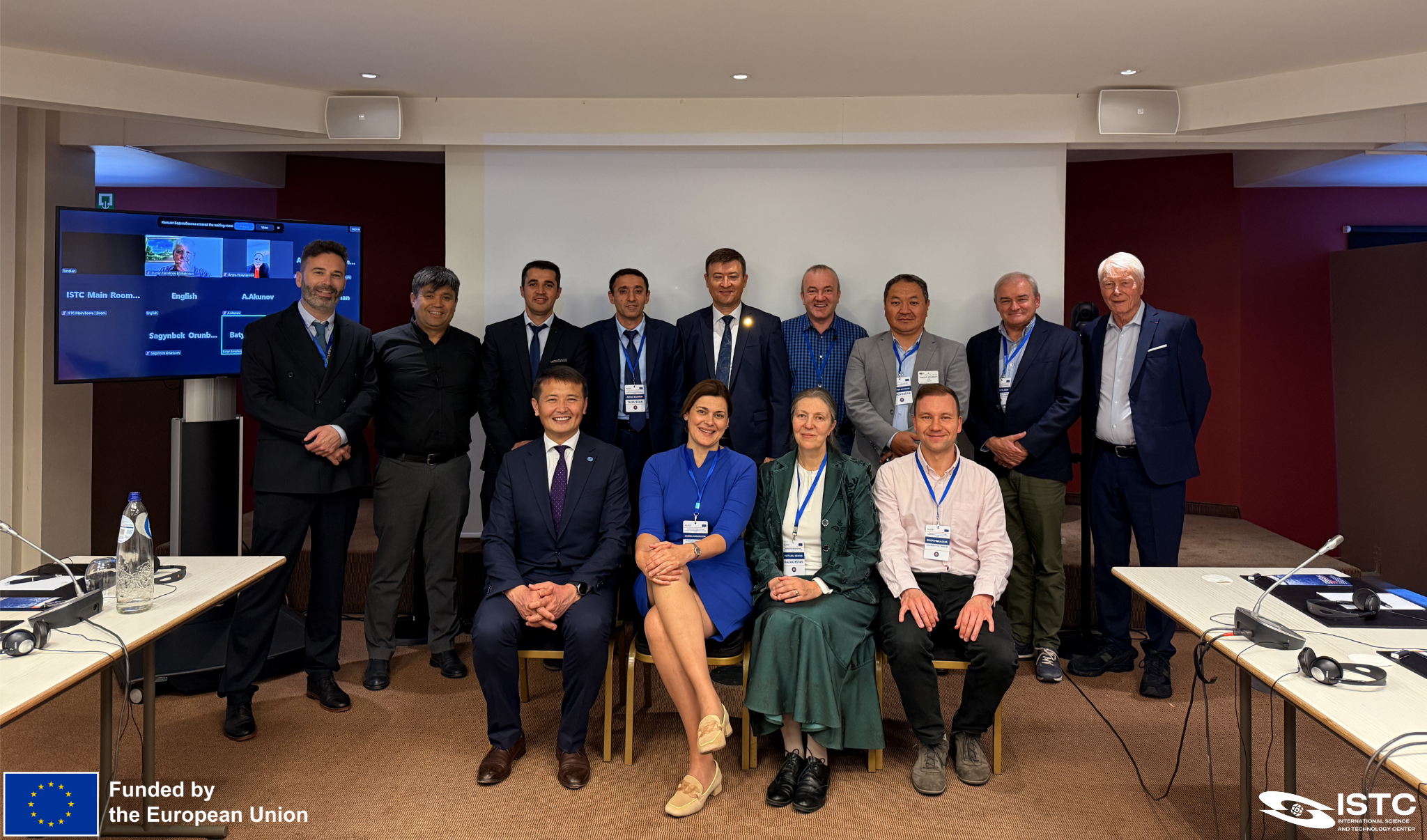
On 28 May 2026, the International Science and Technology Center (ISTC) convened the first Project Management Committee (PMC) Meeting of the European Union-funded project PR-206: Water Radiation and Heavy Metals Monitoring System in Central Asia in Brussels, Belgium.
The meeting brought together representatives from Kazakhstan, Kyrgyzstan, Tajikistan, Uzbekistan, and the European Commission's Service for Foreign Policy Instruments, alongside experts from European and international partner institutions, marking an important milestone in the implementation of the project.
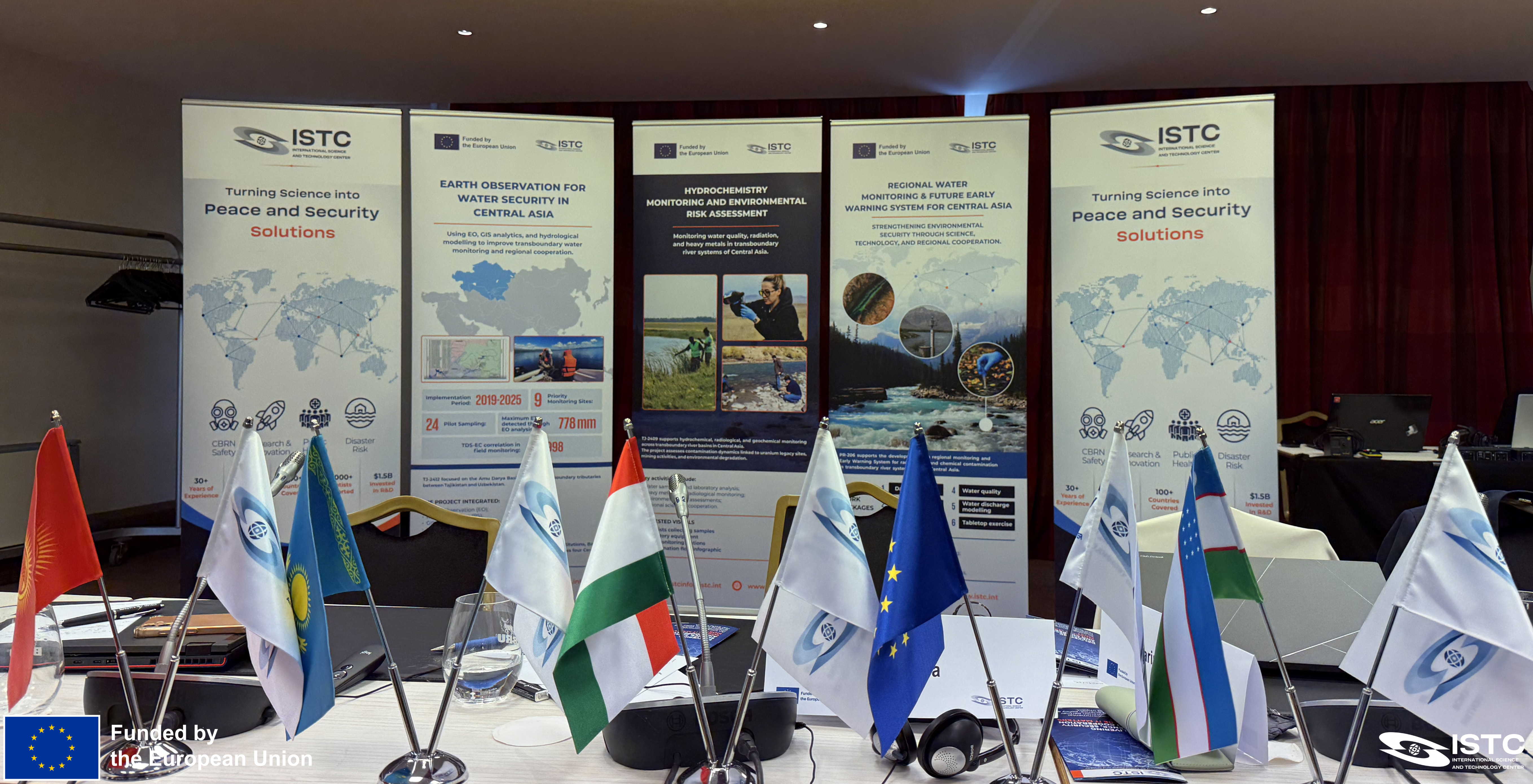
Funded by the European Union and implemented by ISTC, PR-206 aims to strengthen regional capacities for monitoring radiological and heavy metal contamination in transboundary water systems through harmonized monitoring methodologies, environmental modelling, data-sharing mechanisms, Earth Observation applications, and the development of a pilot Early Warning System.
A Shared Commitment to Regional Cooperation
Water resources have long served as an important area of cooperation among the countries of Central Asia. Given the transboundary nature of the region’s major river basins, effective monitoring and information exchange require sustained collaboration among national institutions, scientific organizations, and technical experts.
PR-206 seeks to support this cooperation by providing a platform for the exchange of knowledge, expertise, and best practices among participating countries. The project contributes to strengthening national capacities while fostering a common understanding of environmental challenges that may have regional implications.
The PMC meeting demonstrated the strong commitment of participating institutions to work together in a spirit of partnership and mutual support.
Bringing Together Multiple Disciplines
One of the defining characteristics of PR-206 is its multidisciplinary approach.
The project brings together specialists in hydrology, hydrochemistry, radiological monitoring, environmental sciences, Earth Observation, modelling, data management, emergency preparedness, and public administration.
This combination of expertise reflects the complexity of contemporary environmental challenges and the importance of integrating scientific, technical, and operational perspectives into decision-making processes.
By connecting experts across disciplines and national borders, PR-206 contributes to the development of practical and sustainable solutions for environmental monitoring and preparedness.
Investing in Lasting Capacity and Knowledge
In addition to technical implementation, PR-206 places significant emphasis on capacity-building and human resource development.
Through training activities, technical workshops, expert exchanges, and the deployment of modern monitoring and analytical tools, the project seeks to strengthen the capabilities of national institutions and specialists across the region.
The project also promotes the adoption of harmonized methodologies and interoperable systems, supporting long-term sustainability and facilitating future cooperation among participating countries.
Looking Ahead
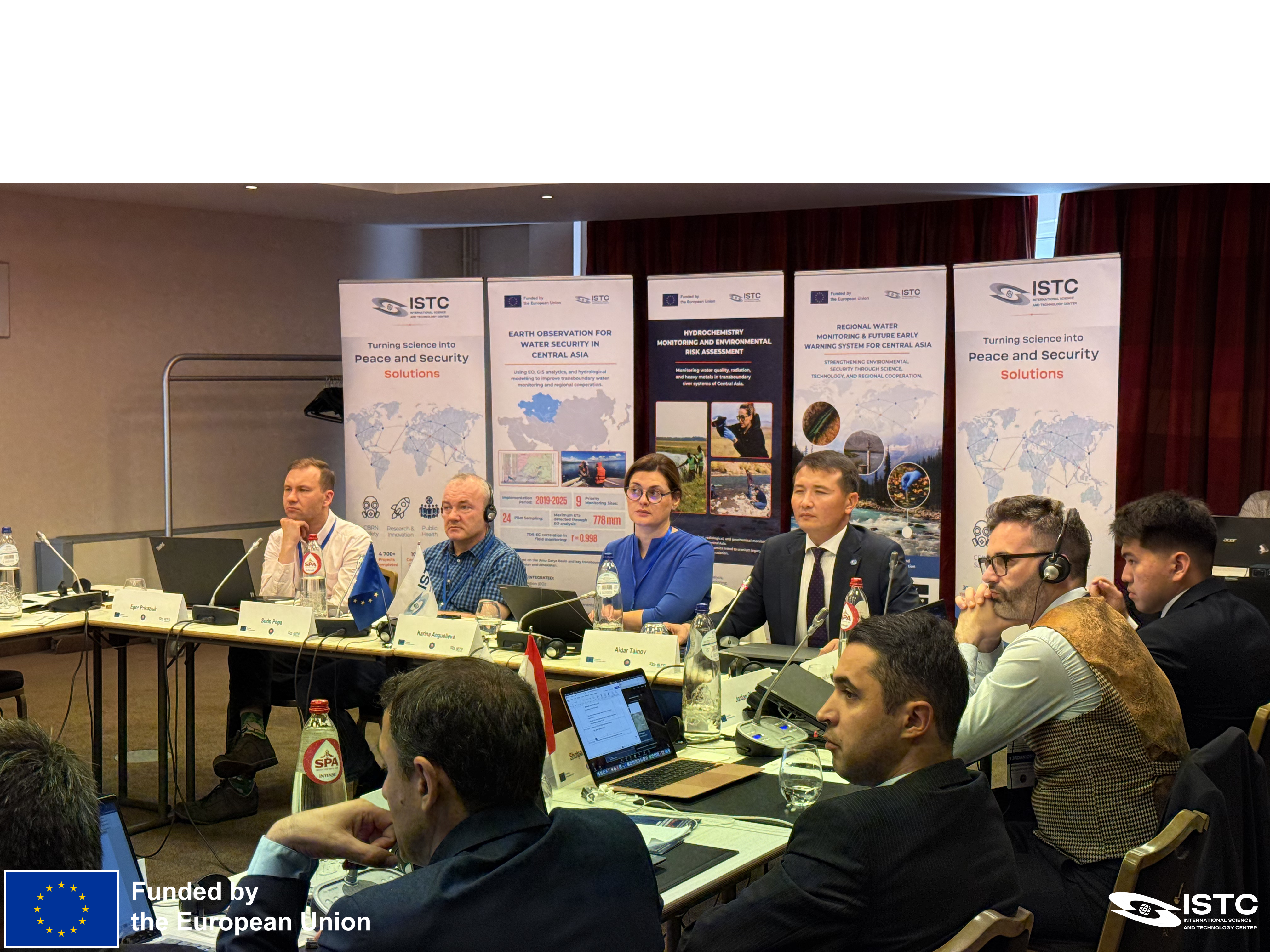
During the meeting, participants reviewed implementation progress, discussed technical priorities, and agreed on the next steps for project activities planned throughout 2026 and 2027.
Particular attention was given to monitoring methodologies, the development of the MAJISYS database architecture, environmental modelling tools, stakeholder engagement, and future capacity-building activities.
As implementation progresses, PR-206 will continue to serve as a platform for scientific cooperation, technical dialogue, and regional partnership, supporting broader efforts to enhance environmental safety, preparedness, and resilience in Central Asia.
ISTC expresses its appreciation to the European Union for its continued funding and support, to all participating institutions, experts, and national authorities for their active engagement and commitment to the successful implementation of the project.
This article was funded by the European Union. Its contents are the sole responsibility of the International Science and Technology Center (ISTC) and do not necessarily reflect the views of the European Union.